Alocasia Plant

Alocasia plant
More commonly known as the elephant ear plant, alocasia is grown as an annual or houseplant in temperate regions. These plants are beloved for their beautiful foliage. Fortunately, alocasias can grow well in pots indoors, provided they receive enough humidity and light.
How do you care for an Alocasia plant?
Your Alocasia prefers warm temperatures between 65–85°F. Avoid cold drafts and sudden temperature changes. Feed every month in the spring and summer with half-strength, all-purpose indoor plant fertilizer, such as our All Purpose Fertilizer (20-20-20). No fertilizer is needed in the fall and winter months.
Are Alocasia plants easy to care for?
Alocasia can be easy to care for once you understand what kind of environment they need in order to thrive. They love high humidity, slightly dry soil, and bright indirect light the best.
Does Alocasia like sun or shade?
They prefer full sun and consistent moisture. Alocasias hold the tip of their leaves out or upward and they prefer more well drained soil and a little shade. Read on to see some of the many exciting varieties and discover why it's so easy to get hooked on growing these tropical titans.
What is the lifespan of an Alocasia?
Size and Growth An Alocasia Polly plant has an average lifespan of about 5 years. However, since it can be propagated by divisions you can always have fresh young plants growing.
Should I water Alocasia everyday?
Alocasia Polly enjoy weekly watering sessions and frequent misting, keeping their soil moist but not wet. In winter, we recommend allowing the top 2' of soil to dry out between waterings to prevent overwatering and root rot.
Should I cut off dying Alocasia leaves?
The oldest leaves will start to yellow and droop as they naturally die off. This will be the lowest leaf on the plant, and will usually only happen to one leaf at a time. They will fall off on their own but to keep your plant display looking gorgeous you will need to trim the leaf off as close to the base as possible.
Why are Alocasias so hard to care for?
Alocasias need bright, but indirect light. This is due to the plant's natural habitat, on the forest floor beneath the tree canopy. Direct sun will cause the leaves to burn, so avoid placing your Alocasia in a spot where it'll be exposed to direct sun for a prolonged period.
How do I get my Alocasia to grow more leaves?
If you want your plant to push out new leaves actively and produce the large leaves it is known for, then make sure the alocasia is in a spot where it can receive plenty of bright indirect light. The plant will survive but not grow as quickly when placed in an area with lower light levels.
Do Alocasias like small pots?
Choose a container that's at least 18 inches wide and 16 inches deep for Colocasia varieties, or 36 inches wide for the larger Alocasia varieties. Using large pots will allow these plants to develop to their greatest potential and it also means you won't need to repot them for several years.
Can I touch Alocasia leaves?
Wear gloves - You should always wear gloves when handling your Alocasia to avoid any contact with bare skin. Wash hands - If your skin does make contact with the plant, wash your hands immediately and avoid touching your eyes or mouth.
What is the benefits of Alocasia plant?
The numerous biological activities of Alocasia species were also presented, which include anti-cancer, antidiabetic and antihyperglycaemic, antioxidant, antidiarrhoea, antimicrobial and antifungal, antiparasitic (antiprotozoal and anthelminthic), antinociceptive and anti-inflammatory, brine shrimp lethality,
Is Alocasia high maintenance?
Elephant Ear (Alocasia spp.) They need good light and humidity to thrive. You'll need to mist the leaves frequently without leaving the leaves wet. You'll also need to wipe the leaves clean once a week and protect the plant from pests such as spider mites.
How do you know if Alocasia is overwatered?
Overwatering. If you overwater your Alocasia, it's possible that it will develop root rot or a fungal infection. Watch for brown or black spots developing on the leaves and monitor the soil for moisture. The soil should be damp, but not saturated with water, for optimal health.
Is Alocasia indoor or outdoor plant?
Alocasia are commonly seen grown outdoors as standout plants in container gardens, but with the right light, they can double as a houseplant. We will go over indoor and outdoor care today! Light requirements for Alocasia range from shade to full sunlight depending on the variety.
Why do Alocasia leaves fall off?
Alocasia leaf drop is likely due to cool temperature and low humidity, in addition to lack of sunlight. You can look into a grow light and humidifier to help it thrive in the colder months.
Is Alocasia a rare plant?
Alocasia Chantrieri is a must have for foliage fanatics and rare plant collectors! Alocasia Chantrieri is a rare variety with a dark emerald green top and a reddish-purple underside as well as a hint of light silvery-green in the veins of the foliage.
Can Alocasia handle full sun?
Sun. For your indoor Alocasia plant, you'll want to keep it out of direct sunlight. Too much direct sunlight can cause the plant to dry, burn, and dry out the soil too quickly. But, if you don't provide it with enough sunlight, it will be unable to grow and will eventually begin to fall apart.
How do I know if my Alocasia is dying?
If you are unsure about the state of your Alocasia, there are two key ways to tell if it is dormant or dead. Check the roots - Gently lift the bottom of the plant to expose the roots. The roots of a dead Alocasia will either begin to rot or become dessicated. A dormant plant's roots will look completely normal.
How often do Alocasia grow new leaves?
One new leaf each month is fairly normal, slightly less is also okay and not something to be worried out. If you've not have any new leaves in 6 months you may need to think about repotting or fertilizing (if you're not already).
15 Alocasia plant Images
an info sheet describing the benefits of alocasia and calacasiaa plants

Pin by Photoman3 on Elephant ear plant in 2021 Plants Elephant ear

homedecor home decor Amazing Alocasia Zebrina Photo plantsn

Alocasia Species Varieties Digital File Art Print Download Tropical

alocasia silver dragon Plants Foliage plants Alocasia plant

Alocasia macrorrhizos oreja de elefante Id Plantae Elephant ears
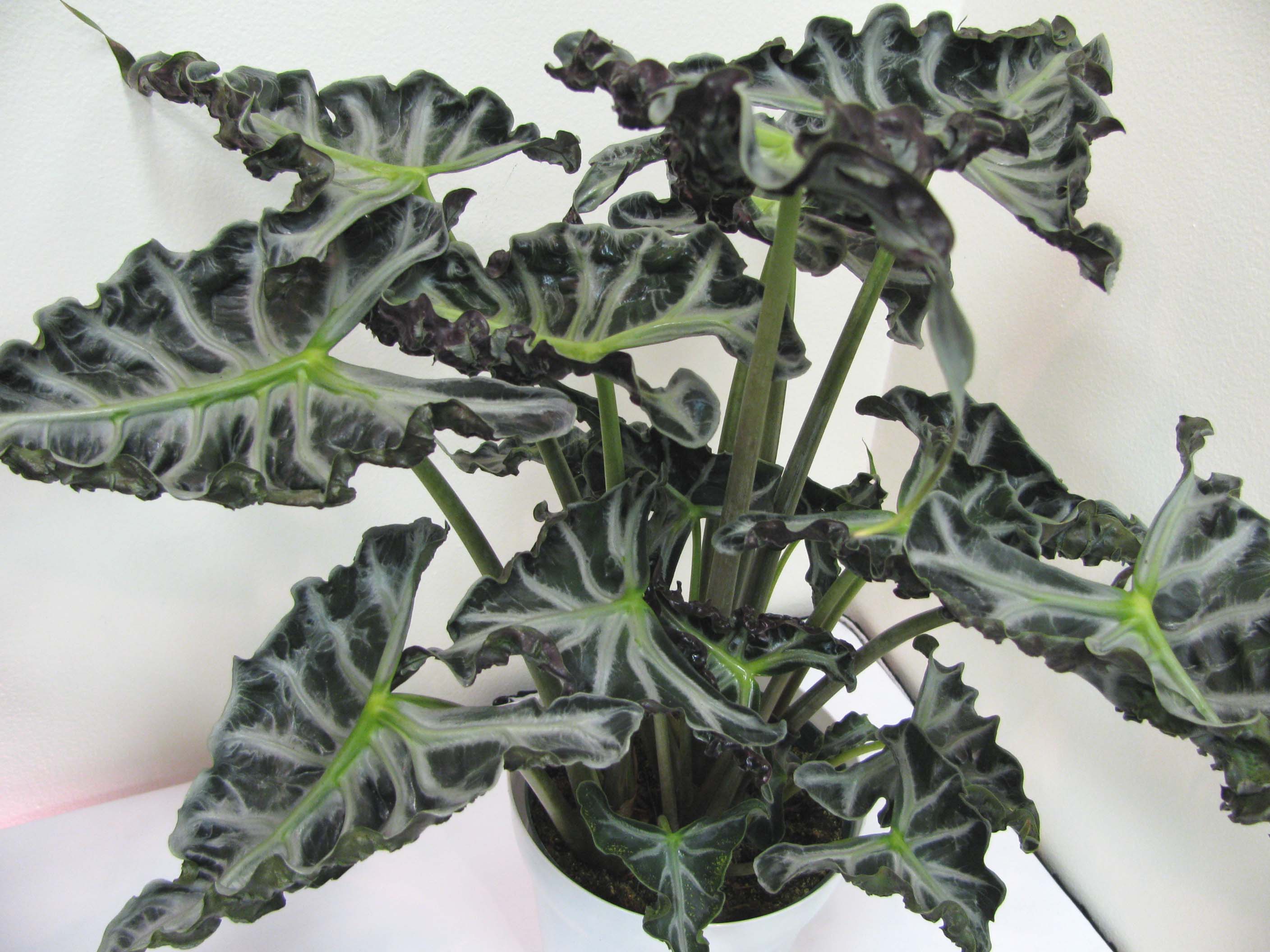
Alocasia Loco Tanaman hias daun Bunga eksotis Tanaman

Portora Alocasia plant Elephant Ear Rare Live plant in 2021

ALOCASIA AMAZONICA Krukvxt Alokasia IKEA Pflanzen Elefantenohren

How not to kill your Alocasia Frydek Indoor plant care Alocasia
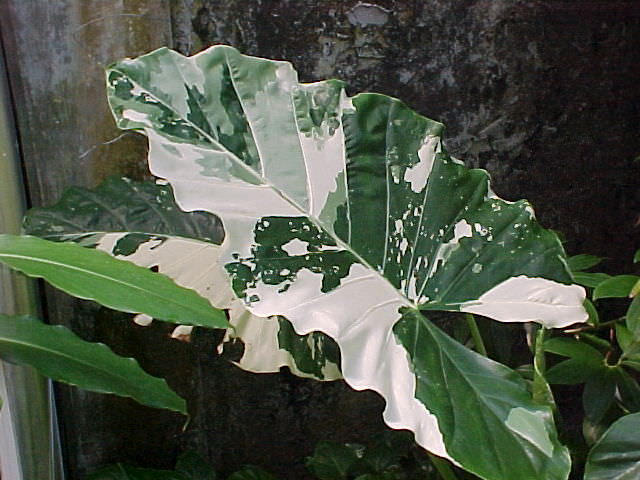
1000 images about ALOCASIA plants on Pinterest Persian Alocasia

alocasia baginda dragon scale in 2020 Alocasia plant Unusual

What Is Rhe Alocasia Plant Acid Loving Plants Plant Guide Lower

Alocasia micholitziana Frydek Plant leaves

Post a Comment for "Alocasia Plant "